Hey there! If you’re looking to create a sales funnel website, you’re in the right place. A sales funnel website is designed to turn website visitors into leads and ultimately into customers. It involves several stages that guide your visitors towards a final purchase decision. In this blog post, we’ll show you how to create a sales funnel website and how to attract website traffic using SEO, Google Ads, social media, and email marketing.
Understanding the Sales Funnel
Before we start creating a sales funnel website, let’s understand the different stages of the sales funnel:
- Awareness: This is the stage where visitors become aware of your product or service. It’s essential to make a great first impression and capture their attention.
- Interest: This is the stage where visitors are interested in your product or service and want to learn more. Provide them with all the necessary information they need.
- Desire: This is the stage where visitors want your product or service and are considering purchasing it. Provide them with reasons why they need your product or service.
- Action: This is the stage where visitors make a purchase decision and become customers. Make it easy for them to make the purchase.
Your sales funnel website should focus on guiding your visitors through these stages until they become customers.
Creating a Sales Funnel Website
Creating a sales funnel website can be easy if you follow these steps:
- Define Your Target Audience: Before you create a sales funnel website, you must identify your target audience. Who are you trying to reach with your website? What do they want from your product or service? You can create content that caters to them if you know your target audience.
- Create a Landing Page for Each Stage of the Sales Funnel: Each stage of the sales funnel should have its own landing page. For example, your awareness stage landing page should introduce your product or service, while your desire stage landing page should focus on the benefits of your product or service.
- Create Compelling Content: Your landing pages should have compelling content that speaks directly to your target audience. Use headlines, bullet points, and images to break up your content and make it easy to read.
- Include Calls to Action: Each landing page should include a call to action that encourages the visitor to take the next step in the sales funnel. For example, your awareness stage landing page might include a call to action to sign up for a free trial, while your desire stage landing page might include a call to action to purchase your product or service.
- Design a Visually Appealing Website: Your sales funnel website should be visually appealing and easy to navigate. Use colors, images, and fonts that align with your brand and create a consistent look and feel across your website.
- Optimise Your Website for Mobile: Ensure that your website is optimised for mobile as more people are using their mobile devices to browse the internet. Your website should be responsive, meaning it should adjust to different screen sizes and resolutions.
- Test and Refine Your Website: Once your sales funnel website is live, it’s important to test and refine it. Use analytics tools to track visitor behavior and identify areas for improvement. A/B testing can also be used to test different versions of your landing pages and calls to action.
Generating Website Traffic
Generating website traffic is critical to the success of your sales funnel website. Here are a few ways to generate website traffic:
SEO (Search Engine Optimisation)
SEO is the process of optimising your website to rank higher in search engine results pages (SERPs). The higher your website ranks, the more likely it is that people will click on your website and visit it. Here are some tips for optimising your website for SEO:
- Conduct keyword research to identify the keywords and phrases that people are searching for related to your product or service.
- Use those keywords and phrases in your website content, including your landing pages, blog posts, and product descriptions.
- Use meta tags and descriptions to provide search engines with more information about your website and its content.
- Make sure your website is mobile-friendly and loads quickly, as these factors can affect your search engine rankings.
- Build high-quality backlinks to your website from other websites in your industry.
Google Ads
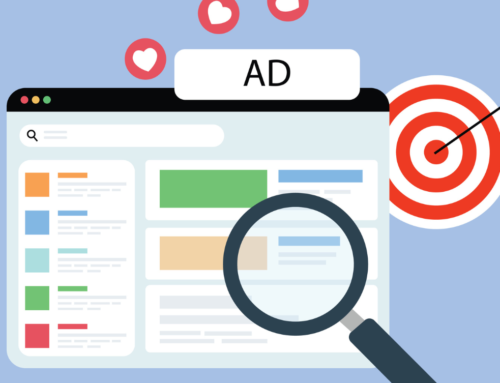
Google Ads is a pay-per-click (PPC) advertising platform that allows you to bid on keywords related to your product or service. When someone searches for those keywords, your ad will appear at the top of the search results. Here are some tips for using Google Ads:
- Conduct keyword research to identify the keywords and phrases that people are searching for related to your product or service.
- Create ad campaigns targeting those keywords and phrases.
- Write compelling ad copy that encourages people to click on your ad.
- Set a budget for your ad campaigns and monitor your ad spend to ensure you’re getting a good return on investment (ROI).
Social Media
Social media is a great way to reach a wider audience and drive traffic to your website. Here are some tips for using social media to generate website traffic:
- Identify the social media platforms that your target audience is most active on.
- Create engaging social media posts that link back to your website.
- Use hashtags to increase the visibility of your posts.
- Interact with your followers and respond to their comments and messages.
- Use paid social media advertising to reach a wider audience and drive more traffic to your website.
Email Marketing
Email marketing is a great way to drive repeat traffic to your website and keep your audience engaged. Here are some tips for using email marketing to generate website traffic:
- Build an email list by offering a lead magnet or incentive in exchange for people’s email addresses.
- Send regular emails to your subscribers with updates, promotions, and other content that encourages them to click through to your website.
- Use segmented email lists to send targeted emails to different groups of subscribers.
- Use automation tools to send triggered emails based on subscriber behavior, such as abandoned cart emails or welcome series emails.
Conclusion
Creating a sales funnel website and generating website traffic are essential steps in building a successful online business. By following the tips and strategies outlined in this blog post, you can create a sales funnel website that converts visitors into leads and customers. By using SEO, Google Ads, social media, and email marketing, you can drive targeted traffic to your website and grow your business. Remember to continually test and refine your website and marketing strategies to ensure that you’re getting the best possible results.